Enhance Your Home With Skilled Building Offerings
Enhancing a home through expert architectural solutions involves more than just visual appeal. It demands a deep understanding of functional design and local building codes. Working with an experienced architect can resolve typical obstacles while enhancing property worth. The process is organized and thorough, guaranteeing that every detail corresponds with the homeowner's vision. Yet, many homeowners find it difficult to navigate this journey successfully. What steps can they take to secure a successful collaboration?
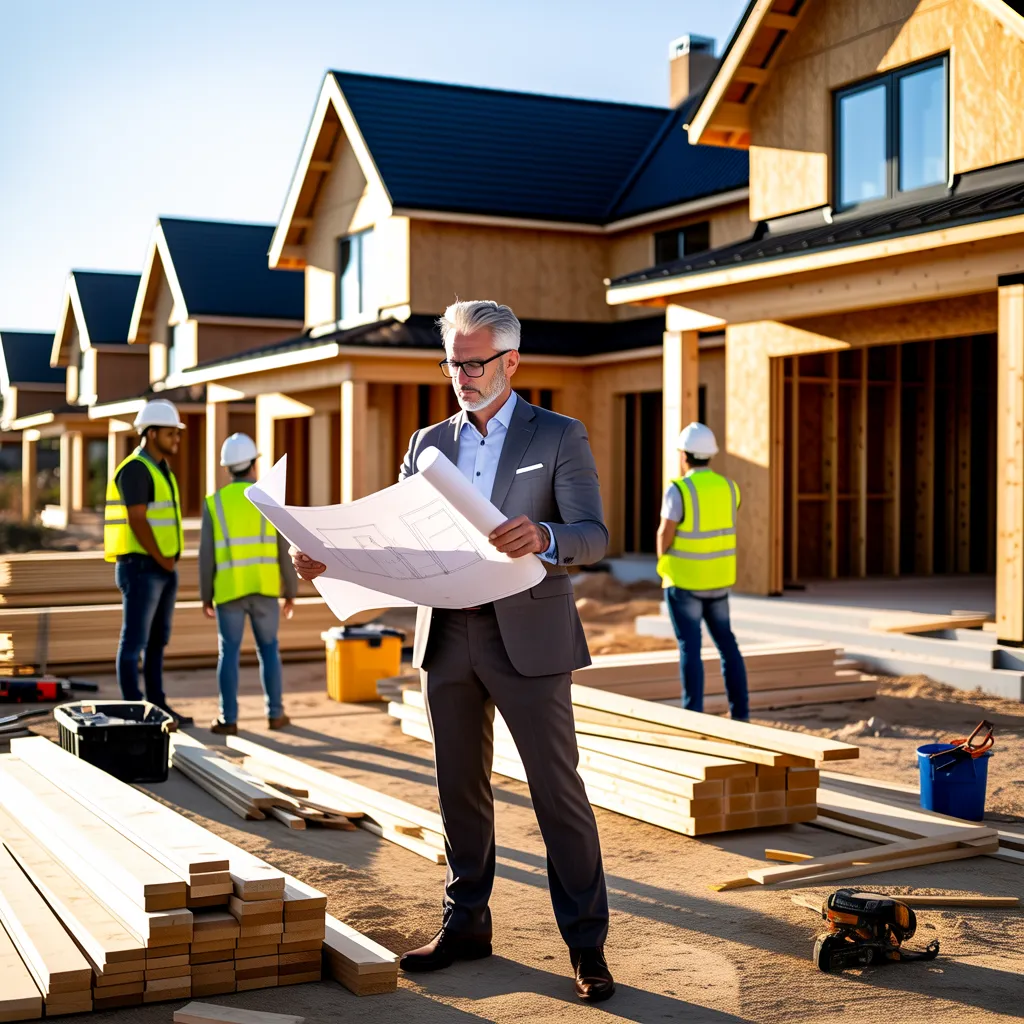
Usual Housing Design Constraints and Means Architects Offer Solutions
What creates home design to be so demanding for most homeowners? The difficulty of mixing design preferences with functional requirements often exhausts them. Homeowners frequently encounter issues with space limitations, budget limitations, and legal standards, complicating the process more challenging. Additionally, many absence of the technical knowledge needed to handle building considerations and building codes.
Architects constitute an vital role in easing these issues. Their background allows them to address the nuances of architecture, confirming that a homeowner's objective harmonizes with actual circumstances. Architects can present groundbreaking strategies to enhance space while following safety regulations. They also contribute in building connected designs that showcase the homeowner's preferences. By sharing perspectives into substances and building techniques, architects assist accelerate the decision phase. Ultimately, their competence translates a apparently challenging project into a partnered experience, encouraging a well-balanced balance between ingenuity and applicability in home planning.
Advantages of Collaborating With a Professional Architect
Partnering with a professional architect enhances the house planning experience by uniting specialized understanding with the homeowner's vision. Architects offer a wealth of experience in architectural standards, legal requirements, and green methods, ensuring that the project not only achieves aesthetic goals but also adheres to regulations. Their capacity to imagine and articulate multifaceted thoughts aids in translating theoretical ideas into practical designs.
Furthermore, architects can supply cutting-edge solutions to design barriers, perfecting arrangement and usability. They also manage the intricacies of the construction phase, coordinating with contractors and suppliers to copyright budgets and timelines are adhered to. This expert oversight minimizes mistakes and mitigates the stress inherent in home construction or renovation. In conclusion, engaging with an architect achieves a well-crafted, unified space that captures the homeowner's personality while advancing overall property worth.
What Are the Essential Stages in the Architectural Procedure?
How does the architectural process develop from initial idea to completion? The process begins with an first meeting, where the designer and client discuss objectives, needs, and budget. This phase is crucial for creating a distinct direction. Next, the architect conducts site analysis, evaluating elements like topography, weather conditions, and zoning regulations.
Following this, the planning stage begins. Here, renderings and virtual prototypes are created, enabling the client to visualize the project. Once the design is completed, the architect creates detailed construction documents, containing specifications and drawings.
With required permits secured, the project moves into the construction phase. The architect often works with contractors to guarantee that the design is executed correctly. Regular site visits and evaluations help maintain quality and compliance to the initial vision. Finally, the project concludes in a walkthrough, confirming that the completed structure meets the client's expectations before the official transfer.
How Do You Find the Ideal Architect for Your Home?
Selecting the right architect for a residence necessitates careful consideration and research. Prospective buyers should begin by establishing their specific needs and budget, which will shape their exploration. Recommendations from acquaintances, family, or property professionals can offer beneficial opportunities. Web portfolios and feedback support evaluating an designer's previous work and client contentment.
Next, prospective clients should consult with multiple prospects to assess their communication style, background, and design methodology. It's vital to address project timelines and client expectations to confirm agreement. Furthermore, verifying credentials and reviewing proper licensing and credentials can avoid future complications.
Finally, property owners should trust their gut feelings. The ideal architect should not only possess the necessary skills but also align with the homeowner's vision and principles. This collaboration creates a collaborative environment, eventually resulting in a successful partnership in building a dream home.
Tips for Conveying Your Objectives Efficiently
Communicating a direction for house design effectively is important for a strong relationship between homeowners and design experts. To accomplish this, homeowners should start by explicitly determining their desires and preferences. Developing a visual guide with images, colors, and substances can help expressing design wishes. Additionally, specifying functional needs, such as room size and arrangement, ensures that the professional understands tangible factors.
Property owners should also engage in frank discussion, encouraging inquiries and input to refine their concept. Regular check-ins during the design process foster collaboration and transparency. Employing clear communication to express ideas and concerns can avoid misunderstandings and help align expectations.
To summarize, maintaining openness to the architect's expertise provides a more dynamic exchange of ideas. By integrating personal vision with professional insight, homeowners can develop a positive rapport that delivers a beautifully designed space reflecting their aspirations.
Approach to Managing costs for Architecture Consultations
While starting a home design project, establishing a budget for architecture services is crucial to avoid financial strain later. Homeowners should begin by investigating typical fees in their area, which can vary based on the project's complexity and the architect's experience. It is advisable to allocate a percentage of the overall project cost specifically for architectural services, typically ranging from 5% to 15%.
Next, prospective customers should assess the scope of services demanded—whether they want full design and project oversight or only initial consultations. Engaging in candid discussions with potential design professionals regarding their cost arrangements can shed light on expenses.
Additionally, property owners should consider unexpected expenses and potential revisions, establishing a financial reserve in the budget. By explicitly outlining their monetary limits upfront, customers can ensure they select an design expert who aligns with relevant article their objectives while remaining within their budget constraints.
Regularly Inquired Topics
What Styles of Structural Style Can I Select for My Home?
Homeowners may pick from various building designs, including modern, traditional, colonial, Mediterranean, and contemporary. Each style offers unique appearance and utility, allowing individuals to express personal preference while considering regional influences and environmental factors.
How Long Does the Design Process Typically Take?
The architectural process typically requires several months, based on project complexity, design sign-offs, and local regulations. Factors such as client input and construction schedules can also affect the schedule significantly throughout the process.
Can Architects Assist With Eco-friendly Building Options?
Architects can clearly assist with sustainable design choices. They incorporate eco-friendly materials, energy-efficient systems, and creative designs, guaranteeing projects minimize environmental impact while boosting functionality and aesthetic appeal, matching with clients' sustainability goals effectively.
What Skills Do I Need to Consider When Choosing an Design Professional?
When choosing an architect, one should evaluate their academic background, licensure, expertise with similar undertakings, portfolio showcasing design style, and familiarity with local regulations. Communication skills and client testimonials also serve as important factors in the decision-making process.
What Method Do Building Designers Use to Address Zoning and Permit Problems?
Architects manage regulatory challenges by performing comprehensive analysis on local regulations, preparing necessary documentation, and liaising with municipal authorities. Their proficiency guarantees adherence, expediting the approval process for customer developments effectively.